Keeping your pet clean between grooming appointments doesn’t have to turn into a big project. Most of the “mess” builds up in small ways: a little dirt from walks, loose hair on the couch, drool on the chin after dinner, or damp paws after rain. If you catch those little things early, your pet stays comfortable, and your home stays fresher, too. The goal is not a perfect-looking coat every day—it’s keeping the skin calm, preventing tangles, and stopping smells before they settle in. The tips below are easy to do at home, even if you only have a few minutes at a time.
A Quick Home Routine Beats Long Sessions
If your pet hears the brush and runs, you’re not alone. A lot of pets don’t hate grooming—they hate how long it takes or how it feels when it turns into a wrestling match. That’s why short, regular care works better than one long session once a week. Think “two to five minutes” instead of “an hour.” You’ll get less pushback, and you’ll still make a real difference.
Start when your pet is already relaxed, like after a walk or while they’re lying near you. Use calm hands and keep your voice normal. If you find a knot, pause and work slowly rather than pulling.
Quick routine (3–5 minutes):
- Run your hands over the coat to feel for rough spots or bumps
- Brush the back and sides first (often the easiest areas)
- Check “trouble zones”: behind ears, under the collar, armpits, and tail base
- End on a good moment, then reward with a treat or a little play
Pick Brushes That Match Your Coat Type
Using the wrong tool can make grooming feel scratchy or pointless. A short-haired dog might look clean, but still drops hair nonstop. A long-haired dog might look fine on top while tangles form close to the skin. Coat type matters, and the right tools make home care faster and gentler.
Here’s the simple “why”: many pets have two layers of hair—an outer layer and a softer layer underneath. When loose hair from the lower layer gets trapped, it can pack down and hold dirt and moisture. That’s when smell and mats show up.
Simple tool guide:
- Rubber curry brush: good for short coats; lifts loose hair and surface dirt
- Slicker brush: helps with longer coats and light tangles
- Metal comb: checks close to the skin and finds knots you can’t see
- Undercoat rake (for thicker coats): helps remove loose lower-layer hair when used gently
Small tip: After brushing, use the comb in a few spots. If the comb slides through, you’re in good shape.
Daily Spot Cleaning Keeps Smells From Building
Most pets don’t get “dirty all over” between grooms. The smell usually starts in a few places: paws, mouth/chin, and rear area. When those spots stay clean, the rest of the coat tends to stay fresher too.
Use a damp cloth or pet-safe wipes. Skip strong fragrances—many pets have sensitive skin, and perfumes can cause itching. If your pet has folds or wrinkles, always dry them after wiping so moisture doesn’t sit there.
Focus areas that matter:
- Paws: wipe after walks, then dry between toes
- Chin and mouth corners: clean after meals, especially with wet food
- Rear area: wipe gently and comb if needed
Watch for clues: If your pet keeps licking paws or scooting, don’t just keep wiping and hope it goes away. Check for redness, swelling, or irritation, and call your vet if it doesn’t improve.
Handle Shedding Before Loose Hair Turns Sticky
Loose hair doesn’t just fall out neatly. It often gets caught in the coat, then mixes with skin oils and outside dirt. That’s how coats start feeling dusty or slightly greasy, even when your pet hasn’t rolled in anything.
The fix is steady, gentle removal of loose hair before it mats down. Work in small sections, especially on thick coats. Don’t rush—fast brushing can skim the top and miss the hair closer to the skin.
Try this simple method:
- Start with a brush that lifts loose hair (often a slicker for longer coats)
- Follow with a comb to check the roots
- Spend extra time where gear rubs: harness lines and collar area
- If your pet’s skin looks pink or irritated, stop and try again later
If you notice sudden heavy shedding, patchy spots, or a strong odor from the skin, it’s worth checking in with a vet. Coat changes can sometimes point to skin trouble.
Baths Can Help, But Rinsing Matters Most
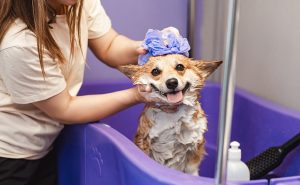
A bath between grooming appointments can be useful, but it’s easy to overdo it. Too much washing or harsh products can dry the skin, which leads to flakes and more scratching. The goal is a clean coat without stripping the skin.
Use a shampoo made for pets (human shampoo isn’t a good swap). Brush before the bath, so you’re not washing tangles tighter. And rinse longer than you think you need to. Leftover soap is one of the most common reasons pets get itchy after a bath.
Bath steps that keep it safe:
- Use lukewarm water and keep it out of the ears
- Lather lightly; don’t scrub hard at the skin
- Rinse until the coat feels clean, not slick
- Towel-dry well, then brush as the coat dries
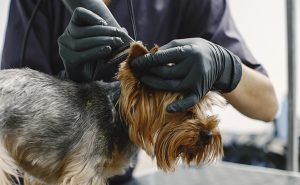
If your pet needs a true reset, Cherelly’s Paws and Claws LLC offers pet grooming to help keep coats clean and manageable between home routines.
Stop Mats By Drying And Reducing Friction
Mats often start in places that get damp and rubbed a lot—like under collars, behind ears, or where a harness sits. Moisture plus friction is a common recipe for tangles that tighten over time. The tricky part is that mats can form underneath while the top looks fine.
After rain, snow, or even a quick splash in the yard, dry your pet well. Towel first. If your pet tolerates it, a pet dryer on a gentle setting can help, but don’t let heat sit in one place. While drying, run your fingers through the coat to separate clumps.
Common mat zones:
- Behind ears and under collars
- Armpits and inner thighs
- Belly and tail base
Important safety note: Don’t cut mats out with scissors close to the skin. Skin can fold into the mat and get nicked. If a mat feels tight, it’s safer to have a groomer remove it.
Food, Water, And Home Habits Support Coats
Coat care isn’t only about brushing and baths. A pet’s skin and fur also respond to basic daily habits. Fresh water helps skin stay hydrated. A steady, balanced diet supports normal shedding and coat texture. And keeping your pet’s space clean reduces how much dirt returns to the coat.
You don’t need fancy changes. Start with small wins: wash bedding often, keep bowls clean, and clean your grooming tools so you’re not brushing old grime back into the fur.
Easy home habits that help:
- Wash blankets and beds often, especially if your pet sleeps in one spot
- Rinse bowls daily so the chin area stays cleaner
- Wipe collars and harness straps so they don’t transfer dirt back onto fur
- Wash brushes and combs with warm water and mild soap, then dry fully
These steps also make your next grooming visit easier because the coat stays more manageable.
Keep It Simple Until The Next Groom
A clean coat between grooming appointments comes down to small habits done regularly: short brushing sessions, quick spot cleaning, careful drying after wet walks, and gentle bathing only when needed. Pay attention to the spots that tangle and smell first, and don’t force your way through mats or irritation. If you want a clean reset and a coat that’s easier to maintain at home, call Cherelly’s Paws and Claws LLC today and book your next appointment. Your pet will feel better, and you’ll spend less time dealing with shedding, tangles, and odor.