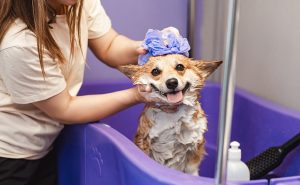
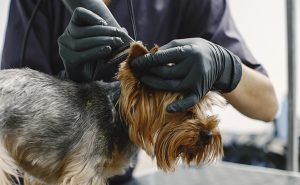
You’ve done the whole routine. Shampoo, rinse, towel dry, maybe even a little spritz of something that smells nice. Your dog looks clean… and then you catch a whiff and think, “How is that even possible?” If this keeps happening, you’re not alone. A bath can remove dirt, but smell can come from oils on the skin, damp fur that doesn’t dry all the way, or places you didn’t really wash much, like ears, teeth, and the area near the tail. Sometimes the odor isn’t on the dog at all at first. It’s on the collar, the bed, or the blanket they flop onto right after the bath. The good news is that most “still smells” problems have a clear cause and a fix you can do without making bath day a bigger hassle.
Natural Skin Oils Can Hang On After Washing
A dog’s coat isn’t just hair. It’s hair plus natural oils that protect the skin and help the coat stay healthy. Those oils also grab onto smell. If your dog was rolling in grass, hanging around food smells, or just has a naturally oily coat, one quick shampoo round might not be enough to break that film. You’ll notice it when the coat feels slick after rinsing, or when the smell returns as soon as the fur dries.
A simple trick many groomers use is the “wash twice” habit. The first wash loosens grime and oil. The second wash actually cleans. It’s not about using more product—it’s about giving the shampoo a fair shot.
Try it like this:
- Wet the coat down to the skin (this takes longer than people expect)
- Lather once, rinse, then lather again
- Massage with your fingers, especially around the neck, chest, and base of the tail
- Rinse until the coat feels clean, not slippery
If you can still feel soap when you run your hands along the coat, rinse longer. Residue can trap smells and dirt, even if the fur looks shiny.
Damp Fur Often Causes That Classic Wet-Dog Odor
Here’s the annoying part: your dog can smell worse after a bath if the coat stays damp near the skin. Thick coats, double coats, and curly coats hold water in the under layer. That moisture sits close to the skin and turns into that sour, musty “wet dog” smell as it slowly dries.
The spots that stay wet the longest are usually:
- Under the collar area
- Armpits and chest
- Belly and inner thighs
- Behind the ears
- Around the tail base
Towel drying helps, but it often only dries the top layer. If your dog air-dries in a cool room or on a rainy day, that smell can hang around for hours.
What works better:
- Press the towel into the coat instead of rough rubbing
- Brush while drying to separate hair and let air move through
- Use a pet dryer if you have one, or a home dryer on cool/low heat
- Keep the airflow moving so you don’t heat one spot too long
You’re aiming for “dry to the skin.” When you get that right, the coat smells cleaner for longer, without needing another bath a day later.
Ears, Teeth, And Tail Areas Can Be The Real Source
Sometimes the coat is fine, and you’re chasing the wrong problem. A lot of “my dog still stinks” cases come from a spot that didn’t get cleaned properly in a regular bath.
Three common offenders:
- Ears: A yeasty or sour smell usually means wax and moisture are building up.
- Mouth: Bad breath can be strong enough to make you think the whole dog smells.
- Near the tail: Anal gland odor has a sharp, fishy smell that sticks to fur.
You can do a quick check without turning it into a big deal. After the bath, do a short “sniff test” in these areas. If the smell is clearly stronger in one spot, you’ve found your starting point.
Helpful habits:
- Use only vet-approved ear cleaner, and never go deep into the ear canal
- Brush your dog’s teeth if they’ll allow it, or use dental chews that your vet recommends
- If the smell is coming from the tail area, a groomer can clean and trim that area to reduce odor build-up
If you see swelling, redness, your dog is shaking their head a lot, or scooting often, it’s smart to talk to a vet. Those signs can mean more than “just stinky.”
Skin Yeast Or Bacteria Can Make Odor Come Back Fast
If your dog smells fine right after the bath but stinks again the next day, think skin. Dogs naturally have yeast and bacteria on their skin. That’s normal. Trouble starts when they multiply too much. When that happens, you may notice itchiness, red patches, greasy fur, dandruff-like flakes, or a smell that’s hard to describe—sometimes like corn chips, sometimes sour, sometimes just “off.”
This can happen more often when:
- The dog stays damp after baths or rain
- Allergies irritate the skin
- The coat is very dense and traps heat and moisture
- Baths happen too often and dry out the skin barrier
What you can do at home is mainly observation and gentle care:
- Note when the smell is worse (after walks, after rain, after certain foods)
- Look for red areas or flaky patches
- Don’t over-bathe to “fix it,” because too many baths can make skin more reactive
If the smell is strong and repeatable, the safest move is a vet visit. They can confirm if it’s yeast or bacteria and recommend the right treatment. Once the skin is healthy, the smell usually settles down a lot.
Product Residue Can Trap Smell Even After Rinsing
This surprises people: sometimes the shampoo or conditioner is part of the issue. Not because it’s “bad,” but because it’s not rinsing out fully, or it’s too heavy for your dog’s coat type. Thick conditioners can leave a film, and if the dog isn’t dried well, that film plus moisture can smell stale.
A few practical product tips:
- Use dog shampoo, not human shampoo
- Don’t use more than you need; more soap means more rinse time
- If you use conditioner, keep it mostly on the coat length, not right on the skin
- Avoid mixing multiple products in one bath
If you want the clean smell to last, the rinse matters more than the fragrance. A good rinse gives you that “fresh coat” feel without the leftover tackiness.
Smell Can Return From Collars, Beds, And Blankets
You wash the dog, then you put the same old collar back on. Or they run straight to their bed that hasn’t been washed in a while. That can undo your work fast.
Common items that re-scent clean fur:
- Collars and harnesses (especially fabric ones)
- Bedding, blankets, and crate pads
- Towels that didn’t dry fully
- The couch spot your dog always sleeps on
A quick reset makes a big difference:
- Wash bedding and dry it all the way before putting it back
- Clean the collar/harness based on the label instructions
- Vacuum the area where your dog naps most
- Swap to a clean towel mid-dry if the first one gets too damp
If your dog smells fine outdoors but smells worse after lounging at home, this is often the reason.
A Simple Bath Routine That Actually Works Long Term
If your goal is “clean for more than five minutes,” keep it simple and repeatable. The best routine isn’t fancy. It’s just thorough.
Here’s a steady approach:
- Brush before the bath to remove loose fur and help water reach the skin
- Wet the coat fully (take your time here)
- Shampoo twice, rinse longer than you think you should
- Dry down to the skin using a towel + airflow
- Brush again once mostly dry
If you want help with drying thick coats, cleaning tricky areas, and making the fresh smell last longer, Cherelly’s Paws and Claws LLC offers pet grooming with care that focuses on both cleanliness and coat health, not just a quick wash.
Conclusion
When a dog still smells after a bath, it usually comes down to one thing: the odor source didn’t get fully handled. It might be oils left in the coat, damp undercoat, product residue, or a spot like ears, mouth, or near the tail. Start with the basics: double wash, long rinse, and full drying, then clean the gear and bedding too. If the smell returns quickly or you notice itching, redness, or head shaking, a vet check is a smart next step. Want an easier fix? Call Cherelly’s Paws and Claws LLC today and book a grooming visit so your dog stays clean and fresh longer.